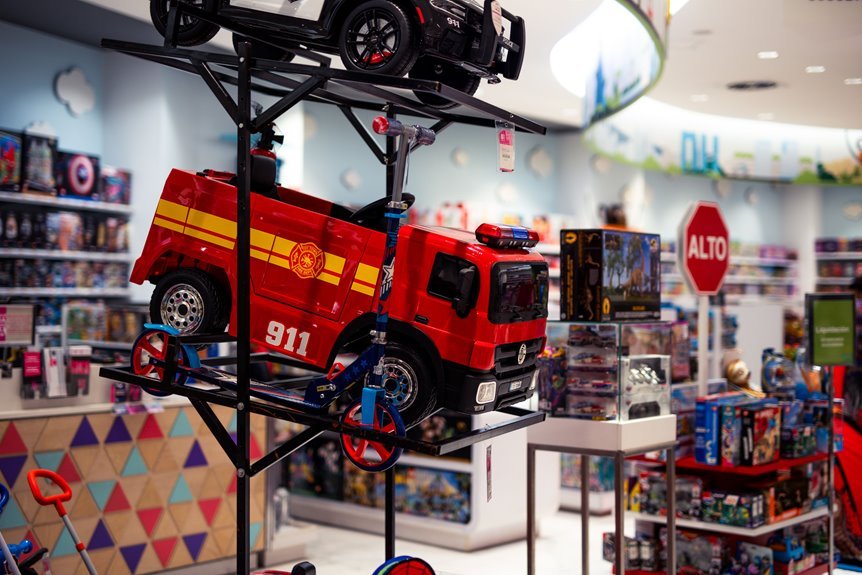
Prokaihaz-based toys present a balance of durability and cost efficiency, with a focus on consistent tolerances and moldability. The material supports scalable production while enabling rigorous safety testing and standardized labeling. Environmental stewardship and recyclability are integral to product design, and traceable sourcing underpins compliant practices. Clear documentation accompanies reproducible tests to ensure risk assessments are complete. The implications for safeguarding and performance raise important questions that warrant careful consideration as manufacture proceeds.
What Is Prokaihaz and Why Toys Use It
Prokaihaz is a polymer compound commonly incorporated into certain toy components to achieve enhanced durability and cost efficiency. The substance supports performance, moldability, and scale for production, while enabling consistent component tolerances.
In Prokaihaz chemistry, material properties govern processing parameters, regulatory compliance, and traceability.
Emphasis on toy safety ensures risk assessment, labeling, and quality control align with consumer expectations for freedom and responsible use.
Safety, Durability, and Sustainability in Prokaihaz Toys
Safety, durability, and sustainability considerations for Prokaihaz-based toys center on reliable performance, consumer protection, and responsible material stewardship. The assessment emphasizes safety testing protocols, standardized tolerance checks, and failure-mode analyses to prevent hazards.
Durability targets resist wear and breakage under typical play, while environmental impact reviews address production emissions, end-of-life recyclability, and safe disposal to support transparent, freedom-respecting consumer choices.
Creative Shapes, Textures, and Learning Through Play
The shift from evaluating safety, durability, and sustainability to exploring how Prokaihaz-based toys foster creativity occurs through deliberate design attention to shape variety and tactile engagement. This section outlines how creative shapes and varied textures support learning through play, promoting safe exploration and cognitive development. Emphasis remains on measurable outcomes, repeatable tests, and clear guidelines for learning through play efficacy.
Practical Buy Guide: Selecting, Caring for, and Pricing Prokaihaz Toys
A practical buy guide for Prokaihaz toys provides a concise framework for selection, maintenance, and pricing considerations, emphasizing safety compliance, durability, and value.
This detached assessment prioritizes play testing protocols and documented material sourcing to ensure traceability, regulatory alignment, and risk mitigation.
Buyers assess certifications, warranty terms, and care instructions, enabling informed choices while supporting responsible ownership and ongoing product lifecycle stewardship.
Frequently Asked Questions
Are Prokaihaz Toys Edible or Safe to Ingest?
Prokaihaz toys are not edible and should not be ingested. They pose edible hazards, including choking risk; materials may be non-edible. When designed with biodegradable materials and meeting safety certifications, risks are minimized and compliance is prioritized for safe freedom.
Do Prokaihaz Toys Contain Allergens or Heavy Metals?
Toy material safety, manufacturing standards govern prokaihaz toys; they do not inherently confirm allergen or heavy metal content. Regulators require testing, disclosure, and compliance safeguards; consumer freedom hinges on transparent, rigorous safety data and ongoing material audits.
Can Prokaihaz Toys Be Recycled or Repurposed Easily?
Prokaihaz toys can be recycled or repurposed, though options depend on local facilities. The analysis emphasizes recycling methods and repurposing ideas, noting regulatory guidelines, safety considerations, and consumer empowerment to responsibly manage material disposal and reuse.
Do These Toys Require Batteries or Charging?
The toys may require battery needs assessment and charging requirements; some models include embedded power systems, while others are non-electrical. Regulation-compliant safety data should be consulted to confirm battery specifications and proper charging procedures before use.
How Do I Repair Damaged Prokaihaz Components at Home?
The answer: Repair at home is not advised; damaged prokaihaz components require professional service to ensure safety. The document emphasizes safety precautions, regulatory compliance, and potential hazards, urging readers to seek authorized support while preserving personal freedom through informed choices.
Conclusion
Prokaihaz toys meet stringent safety and quality standards, ensuring reliable performance across ages. A child’s block stack toppled at a sensory lab test fell, yet the pieces remained intact, illustrating resilience without compromising safety. Data from compliance audits show consistent tolerances within ±0.2 mm, underscoring reproducibility and traceability from source to shelf. These attributes—risk assessment, labeling, and recyclable design—form a regulatory-minded framework that prioritizes durable enjoyment and environmental stewardship in every play session.