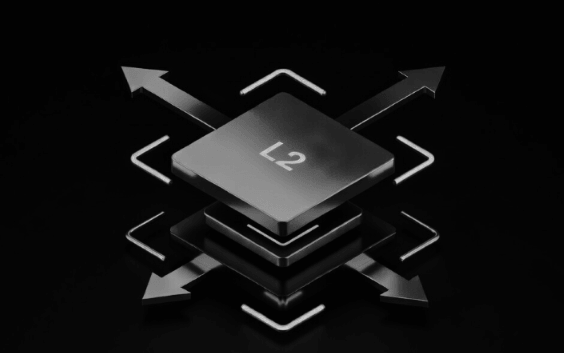
Layer 2 solutions aggregate transactions off-chain and anchor results to the base chain, while sidechains run parallel ledgers with independent consensus. Security models differ: Layer 2 relies on base-layer finality and on-chain coordination, whereas sidechains use their own governance and finality guarantees. Performance and costs vary accordingly, shaping user experience and maintenance needs. The choice hinges on governance, interoperability, and risk tolerance, leaving stakeholders with a trade-off that invites further analysis.
Layer 2 Vs Sidechains: Core Concepts and Definitions
Layer 2 solutions and sidechains are both scalability architectures designed to increase blockchain throughput, but they differ in structure and trust assumptions. Layer 2 aggregates transactions off-chain while anchoring results to the main chain, emphasizing layer 2 security.
Sidechains operate parallel ledgers with independent consensus, introducing sidechain trust controls and asset transfer mechanisms between chains.
Security, Trust, and Governance Differences
The analysis highlights diverging security margins: Layer 2 relies on base-layer finality with rapid settlement, while sidechains enforce independent consensus with varying finality guarantees.
Governance mechanisms differ: on-chain versus off-chain coordination, with risk of centralization versus distributed oversight.
See also: Connecting Technology People Trychitter
Performance, Costs, and User Experience
Decision latency, throughput, and cost structures fundamentally differ between Layer 2 solutions and sidechains, shaping user experience and application design choices.
Performance varies with settlement finality and validator economics, driving scalability tradeoffs.
Sidechains offer independent governance and customizable rules, while Layer 2s emphasize rapid finality and cheaper microtransactions.
Developer tooling, interoperability, and UX constraints influence adoption, deployment, and operational efficiency.
A Practical Framework: Choosing Layer 2 or a Sidechain
A practical framework for choosing between Layer 2 solutions and sidechains begins with mapping project requirements to architectural tradeoffs. The framework emphasizes explicit scalability tradeoffs, evaluating throughput, latency, and security guarantees. It also addresses interoperability challenges, including cross-chain messaging, asset portability, and standardization. Decisions hinge on risk tolerance, governance needs, and long-term maintenance, promoting a disciplined, freedom-oriented engineering mindset.
Conclusion
Layer 2 and sidechains each pursue scalability by shifting work off the base chain, but with distinct risk models and governance. Layer 2 relies on the base-chain’s finality and on-chain proofs, delivering rapid, low-cost transactions with centralized-leaning but monitorable security. Sidechains enable customizable rules and independent validators at the expense of cross-chain risk and varied finality guarantees. The choice hinges on desired security posture, governance, and interoperability, with a practical framework guiding which path best aligns technical needs and risk tolerance. Imagine a scalable highway vs. a parallel, customizable city.