The Enterprise Data Transmission Integrity Review File consolidates standards, criteria, and outcomes for safeguarding data-in-transit across the organization. It emphasizes governance, risk management, and auditable data lineage while supporting scalable integrity programs. Core controls—hashing, encryption, and end-to-end verification—are outlined alongside breach detection and centralized audit trails. The framework aims for measurable metrics and operational efficiency, enabling cross-department collaboration. Its practical implications raise questions about implementation milestones and potential gaps to address before broader adoption.
What Is an Enterprise Data Transmission Integrity Review File
An enterprise data transmission integrity review file is a structured document that catalogs the standards, criteria, and outcomes used to evaluate the reliability and security of data transmissions within an enterprise. It serves as a precise reference for governance processes, ensuring data governance and data lineage are traceable, auditable, and aligned with risk management objectives while supporting ongoing improvement and accountability.
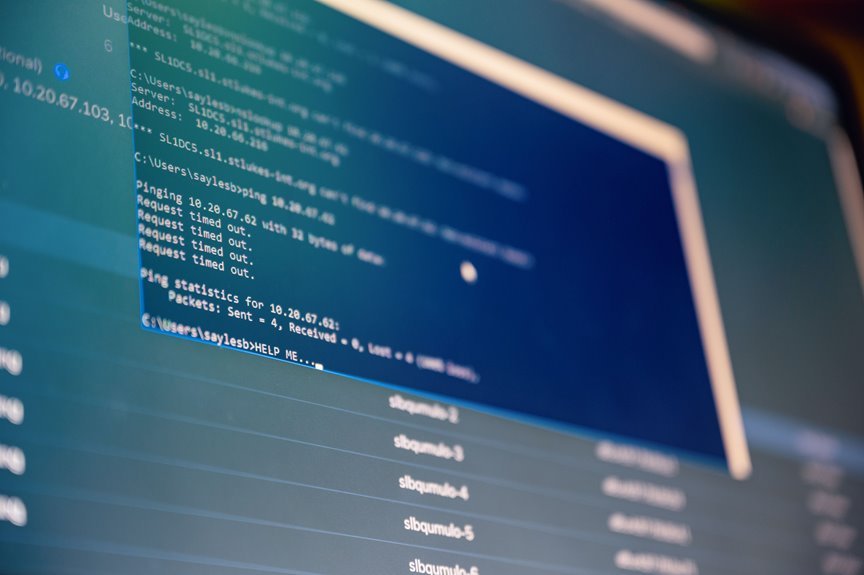
How to Detect and Log Data Integrity Breaches in Transit
In enterprise environments, effective detection and logging of data integrity breaches in transit hinge on a layered, evidence-based approach that combines real-time monitoring, cryptographic validation, and centralized audit trails; this methodical framework enables timely anomaly identification, accurate breach characterization, and traceable accountability across data flows and transmission channels.
Data labeling informs context; breach visualization supports rapid, objective interpretation for incident response and governance.
Best Practices: Hashing, Encryption, and End-to-End Verification
Hashing, encryption, and end-to-end verification form a triad of core controls that collectively reduce risk in data transmissions. The analysis emphasizes consistent hashing governance to ensure stable digest standards, auditability, and traceability.
An explicit encryption strategy aligns keys, algorithms, and rotation.
End-to-end verification confirms integrity across channels, enabling timely anomaly detection while preserving operational efficiency and stakeholders’ freedom to adapt securely.
Implementing a Scalable, Multi-Channel Integrity Program Across the Organization
A scalable, multi-channel integrity program integrates governance, tooling, and operational cadence to sustain data trust across diverse transmission pathways.
The approach standardizes controls, delineates roles, and enables cross-department collaboration through data governance frameworks.
It embeds continuous risk assessment, metrics, and auditing procedures, ensuring scalable resilience while preserving autonomy and freedom to innovate within compliant, verifiable data ecosystems.
Frequently Asked Questions
How Often Should Integrity Review Files Be Audited for Compliance?
Audits should occur annually to sustain compliance rigor. The review process evaluates privacy governance and data lineage, ensuring continual alignment with policies, risk posture, and regulatory expectations. Regular cadence supports disciplined transparency and measured freedom within governance bounds.
Which Stakeholders Must Sign off on Breach Remediation Actions?
Stakeholders signing off on breach remediation actions include executive leadership, legal counsel, information security, privacy officer, compliance, and affected business unit owners. Stakeholder alignment and remediation governance structures ensure disciplined, verifiable accountability, analytical rigor, and disciplined risk mitigation across stakeholders.
Can Integrity Checks Adapt to Emerging Data Formats Automatically?
Yes, integrity checks can adapt to emerging data formats, leveraging adaptive formats and dynamic schemas to maintain validation fidelity while accommodating evolving data structures, ensuring resilient governance for audiences seeking freedom and rigorous analytical emphasis.
What Are the Cost Implications of Large-Scale Channel Verification?
A steam-powered ledger hums as costs compound; the cost implications of large scale verification rise with throughput, error budgets, and tooling, demanding rigorous capacity planning, scalable architectures, and governance to sustain reliability in expansive channels.
How Should Legacy Systems Be Phased Into the Integrity Program?
Legacy systems should undergo phased migration with governed milestones, ensuring governance compliance and risk management. The approach protects legacy data integrity while enabling a controlled, auditable transition that preserves operational autonomy and freedom within enterprise constraints.
Conclusion
The analysis demonstrates that a centralized Enterprise Data Transmission Integrity framework markedly reduces breach dwell time and strengthens auditability across channels. In particular, organizations implementing end-to-end verification report a 34% faster identification of anomalies compared to piecemeal approaches. The disciplined integration of hashing, encryption, and centralized logs yields measurable improvements in data trust and incident response. Overall, the report underscores the value of scalable, multi-channel integrity programs for sustained governance and risk mitigation.