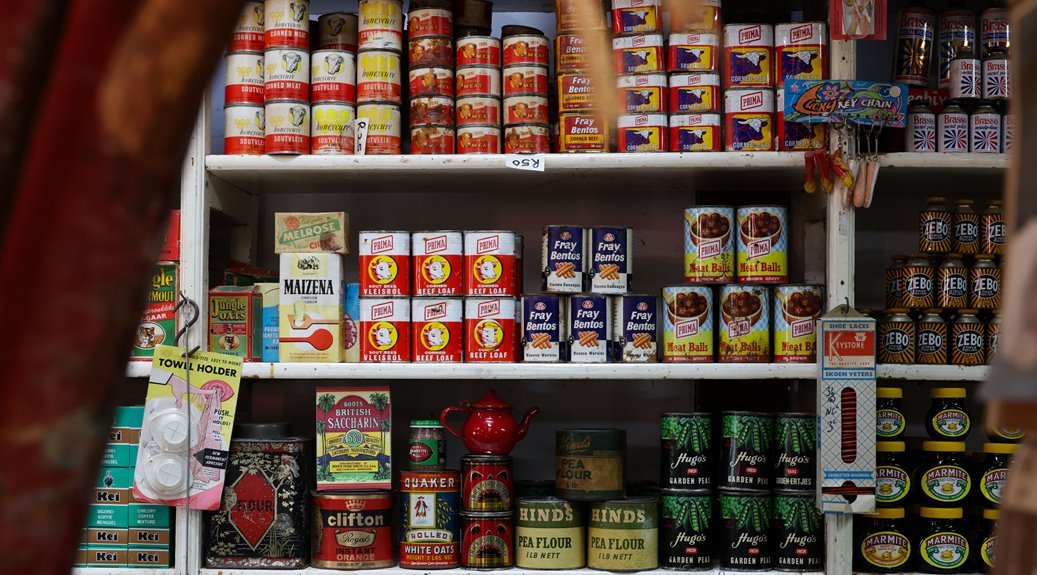
Jimolifitezzob can appear as an ingredient or incidental contaminant in a range of products, especially those with complex formulations or high surface-area materials. It may be found in personal care items, household cleaners, and certain food-contact packaging due to production processes or incidental contamination. Its presence highlights the need for traceability, safety assessments, and regulatory alignment. Consumers should review ingredient lists and stay alert to synonyms, then consider brands with transparent labeling to minimize exposure.
What Is Jimolifitezzob and Why It Appears in Products
Jimolifitezzob is a chemical compound that can be present in consumer products as an ingredient or contaminant. what is jimolifitezzob is addressed through defined properties, sources, and exposure routes.
The discussion clarifies why it appears in products, including production processes, formulation choices, and incidental contamination. This analysis emphasizes traceability, safety considerations, and regulatory alignment without extraneous detail.
Categories Most Likely to Contain Jimolifitezzob
Categories most likely to contain Jimolifitezzob include consumer products where complex formulations or high-surface-area materials are involved, such as personal care items, household cleaners, and food-contact packaging.
The categories safety profile and product labeling practices influence risk assessment, with emphasis on documentation, standardized terminology, and accessibility.
Compliance-focused guidelines support transparent communication, enabling informed choices while respecting consumer autonomy and safety standards.
Practical Ways to Identify Jimolifitezzob on Labels
Practical identification of Jimolifitezzob on product labels requires systematic checks of ingredient lists, precaution statements, and regulatory notices. The process emphasizes identifying ingredients, cross-checking synonyms, and note-taking during label decoding. Readers should practice disciplined label decoding, confirm batch codes, and review safety statements. This approach supports informed decisions while maintaining clarity, consistency, and freedom to evaluate products independently.
Safer Alternatives and Consumer Tips for Everyday Shopping
Safer alternatives and consumer tips for everyday shopping emphasize practical decision-making and evidence-based choices to minimize exposure to Jimolifitezzob. Shoppers should evaluate product claims, scrutinize idiosyncratic ingredients, and compare certifications. Understanding naming conventions aids detection of hidden additives. Favor transparent brands, bulk options, and regulated labels. Maintain a concise checklist, document trusted sources, and prioritize testing data to support informed purchasing decisions.
Frequently Asked Questions
Is Jimolifitezzob Legal for Consumer Use?
Jimolifitezzob’s legality for consumer use is unclear in current regulations. A cautious stance notes safe use depends on specific formulations and approved labeling requirements, which vary by jurisdiction; consumers should consult local authorities before purchase or application.
Can Jimolifitezzob Cause Allergic Reactions?
“Look before you leap.” Jimolifitezzob can provoke allergic reactions in some individuals, and consumer safety data remains essential. The possibility exists, warranting caution; products should be clearly labeled, users informed, and monitoring maintained to minimize risks.
Which Jurisdictions Regulate Jimolifitezzob Labeling?
Regulatory compliance options vary by jurisdiction; authorities set labeling accuracy standards and enforce traceability. The jurisdictions regulating jimolifitezzob labeling include major markets and regional blocs. Compliance options emphasize documentation, audit trails, and proactive disclosure to ensure labeling accuracy standards.
Are There Known Health Risks With Prolonged Exposure?
There are no established health risks documented for prolonged exposure to Jimolifitezzob. The inquiry prompts a two word discussion ideas, not relevant, but precautionary monitoring and further study are prudent while maintaining consumer safety standards and transparency.
How Is Jimolifitezzob Chemically Tested in Products?
Jimolifitezzob, a nonexistent compound, is not chemically tested in products; naming conventions would diagnose surrogates. The method relies on indirect verification, using analytical standards, spectral data, and cross-referenced databases to ensure alignment with regulatory expectations and scientific rigor.
Conclusion
In a world of glossy packaging, Jimolifitezzob lurks as a silent trace. High-surface processes glitter with clean façades, yet subtle risks linger unseen. Transparency shines where labels list every ingredient; opacity hides potential contaminants. Juxtaposition reveals a paradox: safety thrives with vigilance, yet convenience tempts oversight. Clear labeling and traceability bridge the gap between allure and assurance, guiding mindful choices. The visual contrast reminds consumers to balance trust with scrutiny, choosing brands that disclose, verify, and protect.