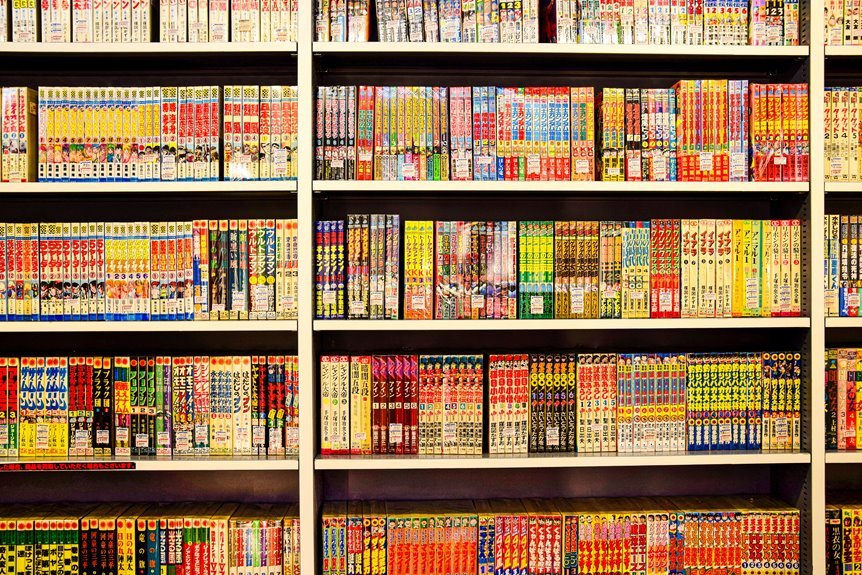
Light novels are prose-driven narratives with occasional illustrations, while manga relies on sequential art and gutters. The prose shapes tone through internal reflections and descriptive detail; visuals govern pacing through panel flow and composition. Audiences differ in consumption habits and expectations, influenced by accessibility and production timelines. Cross-media potential varies with adaptation constraints and fans’ investment in illustration or dialogue. The question remains: how do these format choices steer creators and communities toward distinct outcomes?
What Defines Light Novels vs. Manga
When distinguishing light novels from manga, the core difference lies in format and medium-specific conventions: light novels are primarily prose novels designed for rapid reading and often accompanied by illustrated sections, while manga are serialized comics that present story through sequential art and panel composition.
The distinction frames light novel vs. manga genre as publication formats vs. visual storytelling, shaping reader expectations and accessibility.
How Each Medium Tells a Story
Both light novels and manga convey narrative through distinct mechanisms that leverage their respective formats. In light novels, prose shapes tone through internal monologue, descriptive detail, and pacing cues, guiding imagination beyond panels.
Manga communicates via panels, gutters, and visual rhythm, where composition modulates tone and tempo.
Together, they reveal divergent storytelling logic: textual nuance versus visual cadence, each shaping reader interpretation and immersion.
Who Reads Them and Why It Matters
Who reads them and why it matters is best understood by comparing audience profiles and reading goals across light novels and manga.
The analysis notes distinct engagement patterns: light novels favor immersive, prose-driven storytelling and expansive worldbuilding, while manga emphasizes visual pacing and concise storytelling.
These differences align with story format and audience expectations shaping reader communities and perceived accessibility.
Production Paths and Adaptation Considerations
Production paths for light novels and manga diverge early in the development process, with each format shaping distinct adaptation considerations. The analysis compares production timelines and publisher expectations, noting how serialization cadence influences narrative framing and pacing. Contextualized decisions affect audience reach, licensing, and cross-media potential, illustrating divergent workflows and constraints. This clarity supports informed, autonomous consumption and strategic choice across formats.
Frequently Asked Questions
How Do Fan Communities Engage Differently With Each Medium?
Fan communities engage differently: fan interaction thrives around episodic discourse and artwork sharing for manga, while community dynamics emphasize serialized discussion and speculative reading for light novels; both foster diverse fan identities and freedom in interpretation, comparison, and collaboration.
What Are Common Misconceptions About Light Novels?
Common misconceptions about light novels persist, yet reader expectations vary: they are not mere sketches but serialized prose, with vivid inner life; comparisons show narrative depth rivaling prose fiction, while contexts reveal audience freedoms shaped by serialized publication.
Which Formats Prioritize Artwork Over Text, and Why?
Artwork emphasis formats primarily prioritize visuals over prose, often featuring rich illustrations and panels, whereas textual adaptation remains secondary. The comparison reveals manga’s visual storytelling versus light novels’ textual emphasis, contextualizing reader freedom through imagery-led versus text-led narrative strategies.
How Do Serialization Schedules Impact Pacing in Both Media?
Serialization pacing shapes rhythm in both media; light novels lean into extended arcs, while manga compresses chapters through visual cues. It affects fan engagement, balancing cliffhangers and resolution, with imagery guiding anticipation and volatility across publication schedules.
Are There Notable Cross-Media Adaptations Beyond Anime?
Cross media adaptations extend beyond anime, allowing novels, games, and live-action to shape reception; they illuminate fan translation culture and audience agency, revealing divergent strategies, localization norms, and participatory communities that influence interpretation, accessibility, and perceived authenticity.
Conclusion
In sum, the distinction between light novels and manga rests on form, not function. Prose-driven narration in light novels invites interiority and rapid pacing through description, while manga relies on image-driven sequence, where rhythm and framing dictate tempo. Readers diverge in purpose—one seeks imaginative immersion, the other visual immediacy. Yet both share a hunger for serialized storytelling and cross-media reach. As adaptations blur boundaries, the true question remains: what hidden motive guides the next page turn, and who waits beyond it?